I took on this freelance project because I wanted experience writing interactive fiction. Lo and behold, I realized it was yet another opportunity to use storytelling as an educational tool.
It took a year, but I eventually transformed the streets of my downtown into a gamified museum. I took the buildings and spaces people normally passed without a thought, and I anchored them in a narrative that recreated their historical significance…
Thus users are rallied along an app-based city exploration game!
The experience is equal parts scavenger hunt, historical walking tour, and role-playing game.
Scavenger Hunt
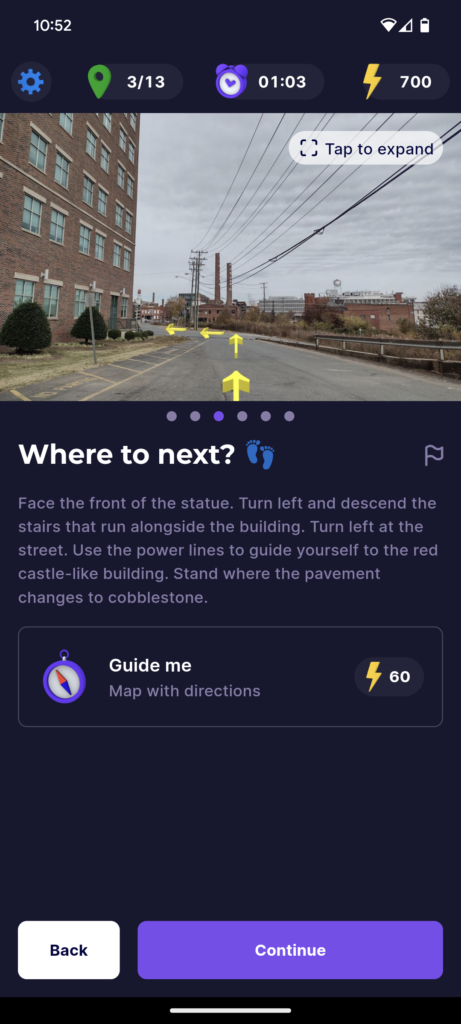
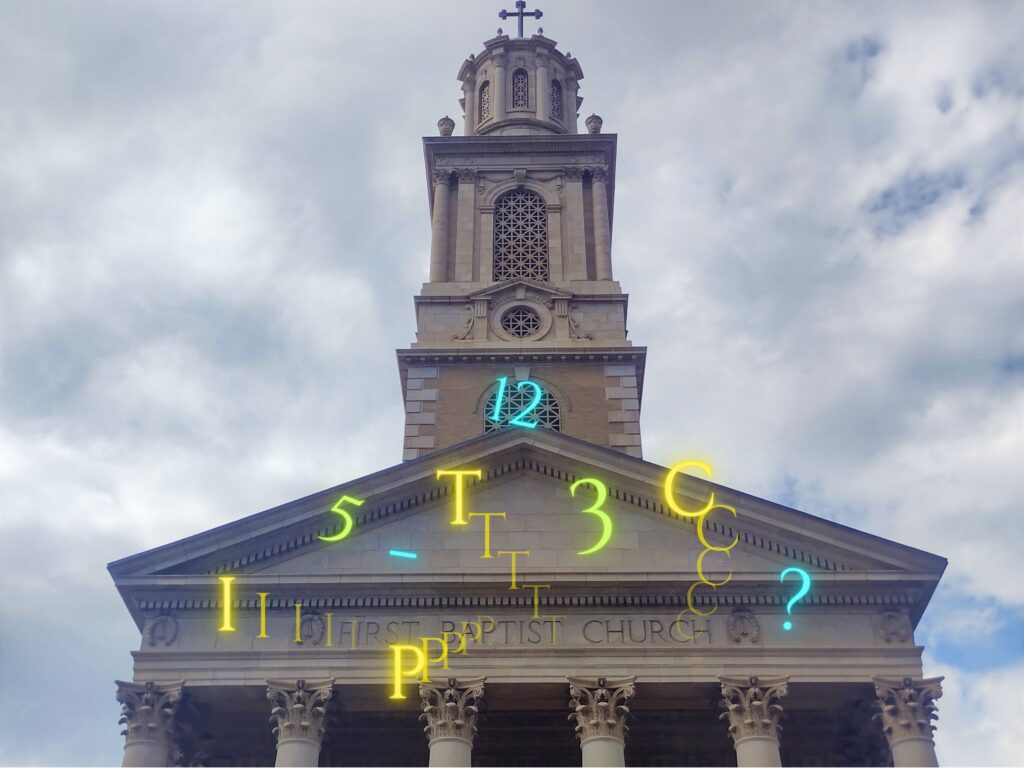
Look for the squatting gargoyle. Stop at the fifth lamppost. Turn at the faded green sidewalk…
Instead of simply telling users to turn left at Main Street, I wrote the directions in the style of a scavenger hunt. This way the gaming angle never lets off; the user is always doing something fun, even as they turn left at Main Street.
Historical Walking Tour
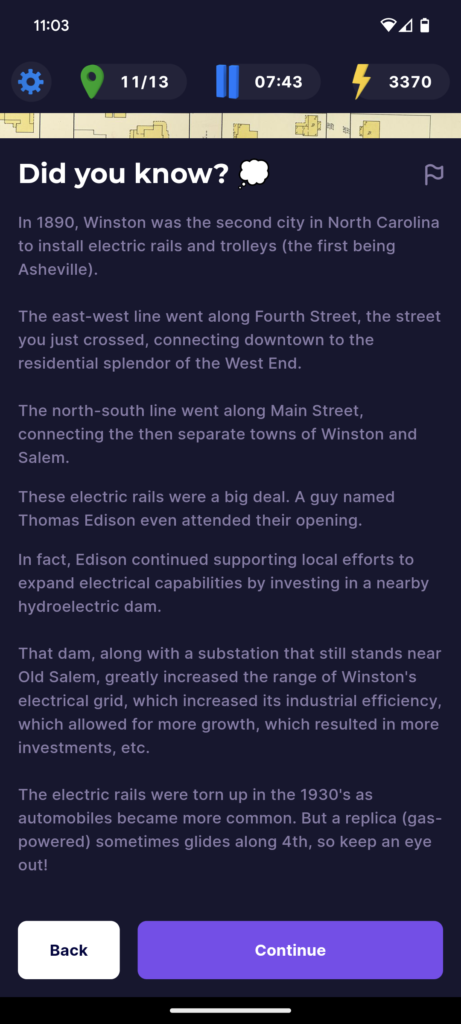
Whittling down hundreds of pages of research into only the most salient strokes – gawd!
The publisher only allowed 1,000 characters per section (this paragraph is 500). So I spent weeks trolling the internet, trying to get a good aerial view of the time period. From there, I focused on buildings and locations that represented this history most succinctly (and saliently, it had to be entertaining). Then I wrote the shortest, most succinct and salient historical blurbs imaginable!
Final product: 13 stops with 13 historical sections that capture larger themes of southern industrialization at the turn of the 20th century.
Role-Playing Game
The fun part.
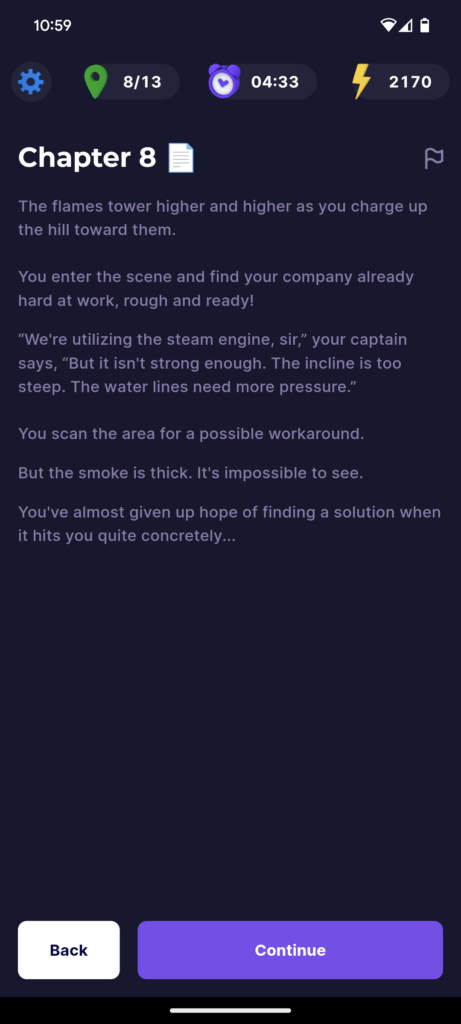
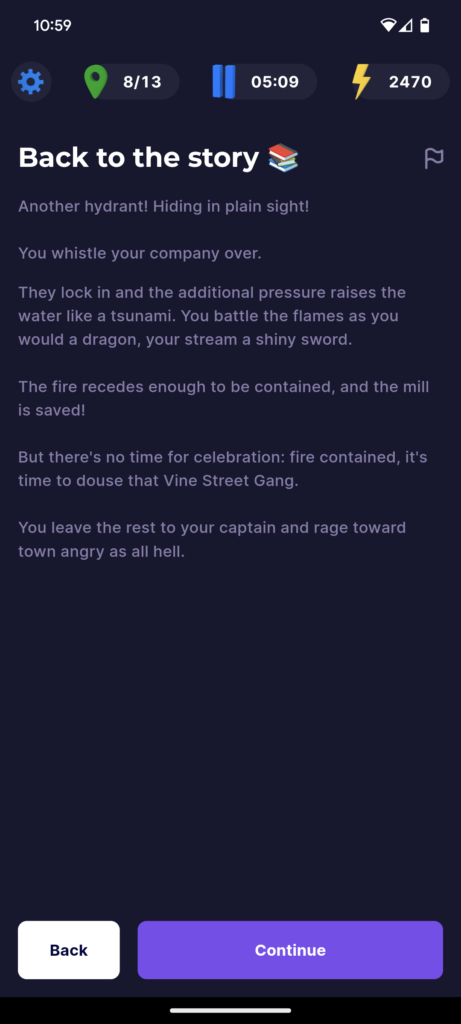
The fictional narrative had to motivate users to walk the route; i.e. the character they played had to have a good reason for urgently running around downtown. So what idea would connect a smart-phone toting millennial to a 20th century protagonist…
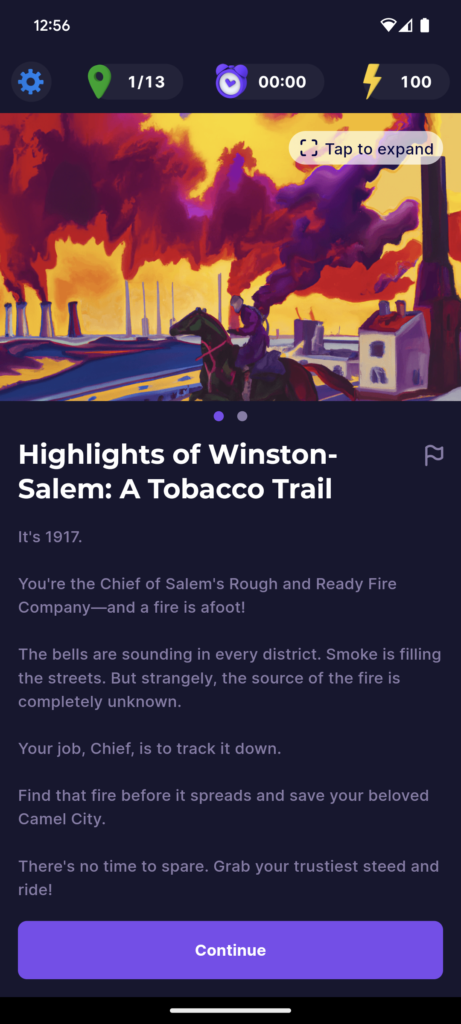
FIRE! FIRE! There’s a fire afoot!
Racing through newly cobbled streets as you track down the source of a mysterious fire! That’s exciting!
The idea fit the mechanics perfectly, and injected the entire experience with a sense of galloping (literally) urgency.
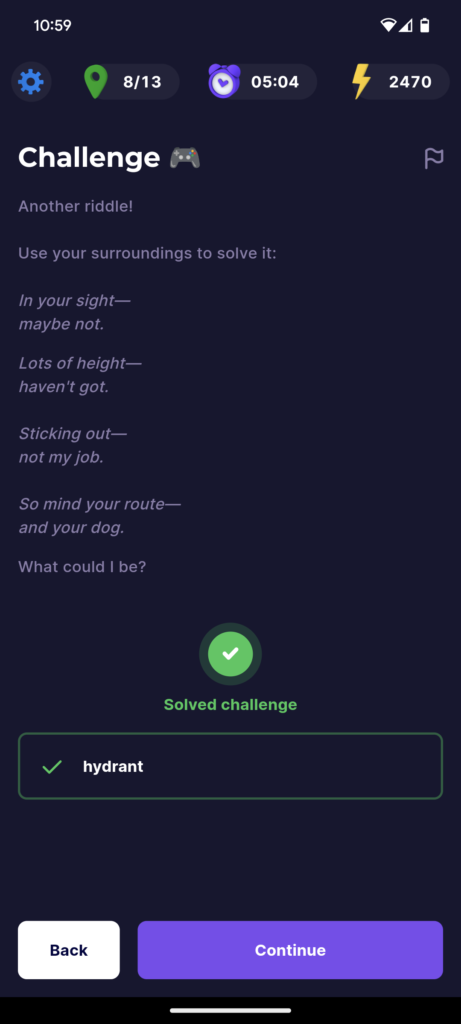
…each Chapter is broken up by a Challenge. The Challenge Answer then ties back into the story…
Writing the Challenges
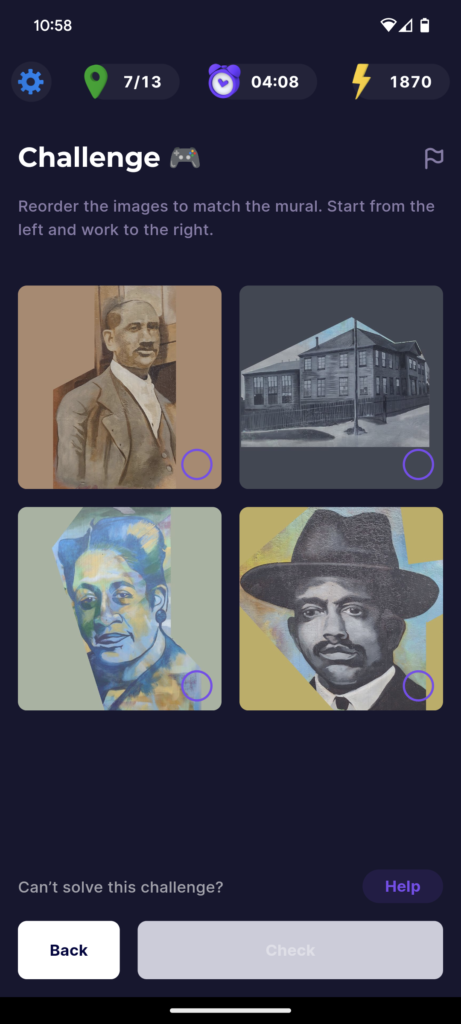
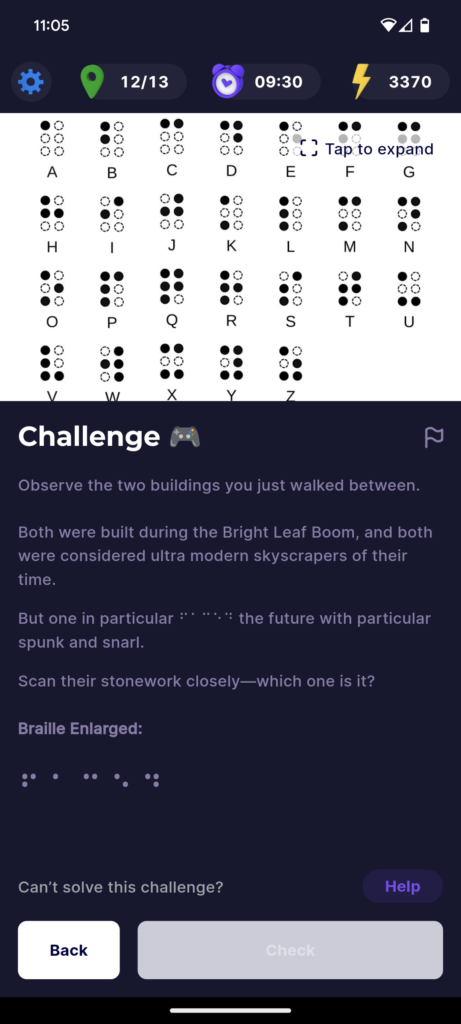
Riddles! Puzzles! And crosswords! Oh my!
The chance to create location-based challenges (with hints) was a real pull in my decision to pursue this project.
I learned you can’t please everyone, and when designing ability-based experiences for the masses, it’s best to aim for the middle. So the challenges start out easy but become more difficult as the route progresses. I mixed word-based challenges with visual challenges to ensure no single type of intellect was favored.
Marketing and Design
Done by yours truly. Directional photos. Marketing materials. Logos. Canva got as much attention as my Instant Pot that year.
Marketing Photos
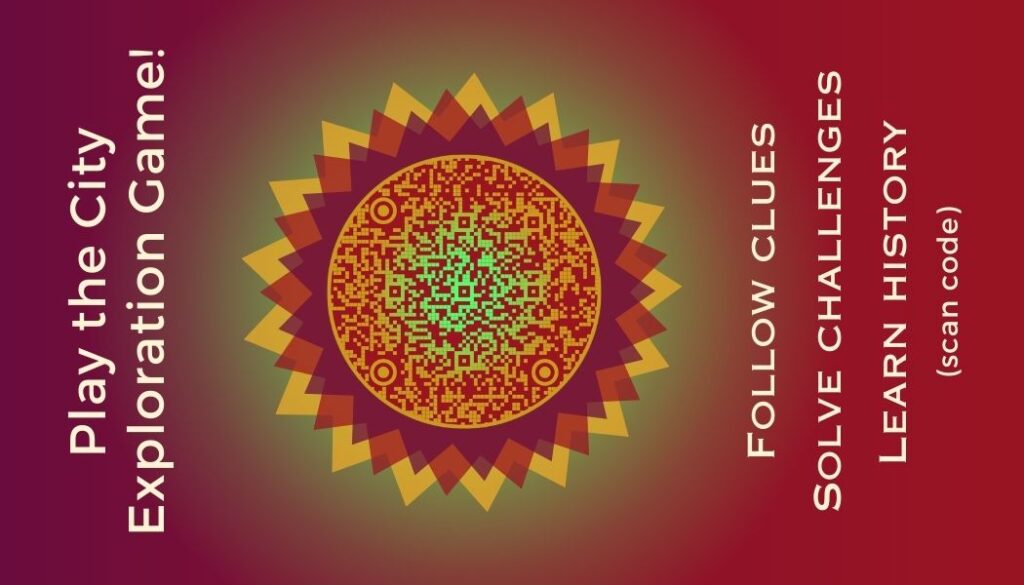
Business card
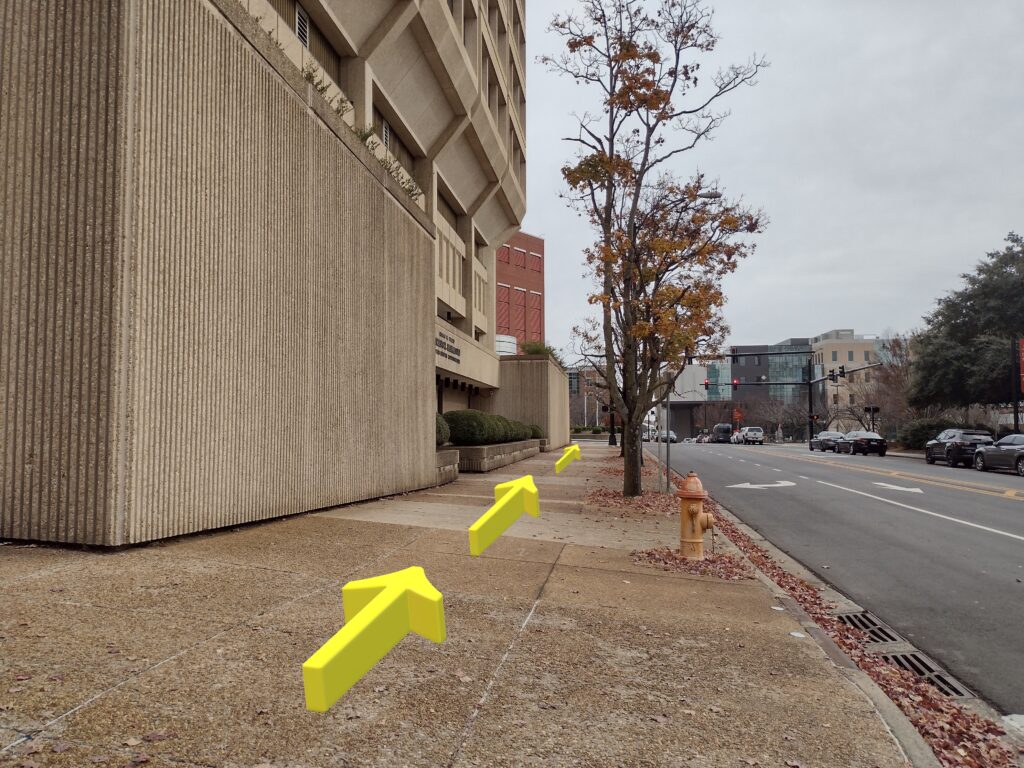
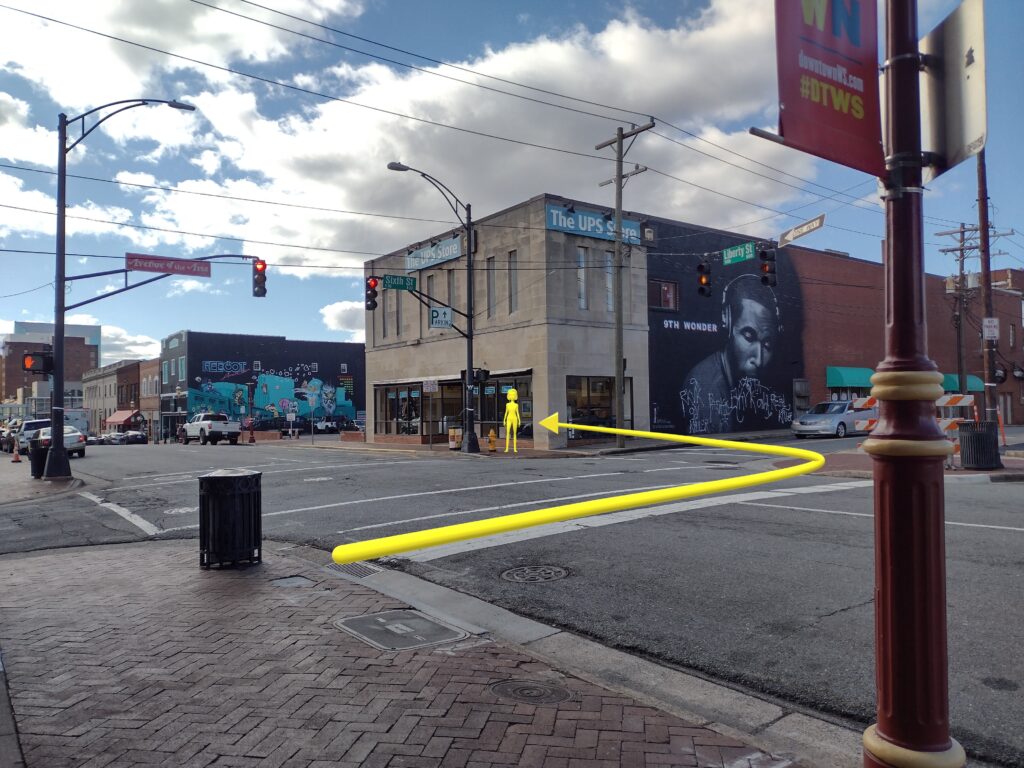
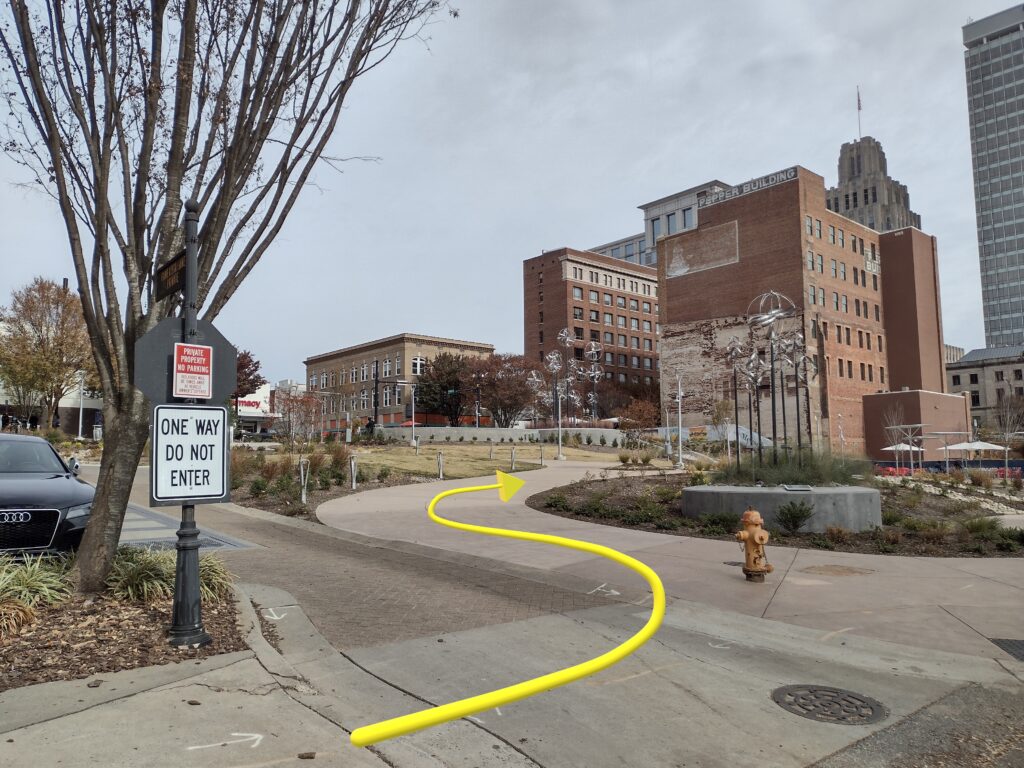
Directional Photos
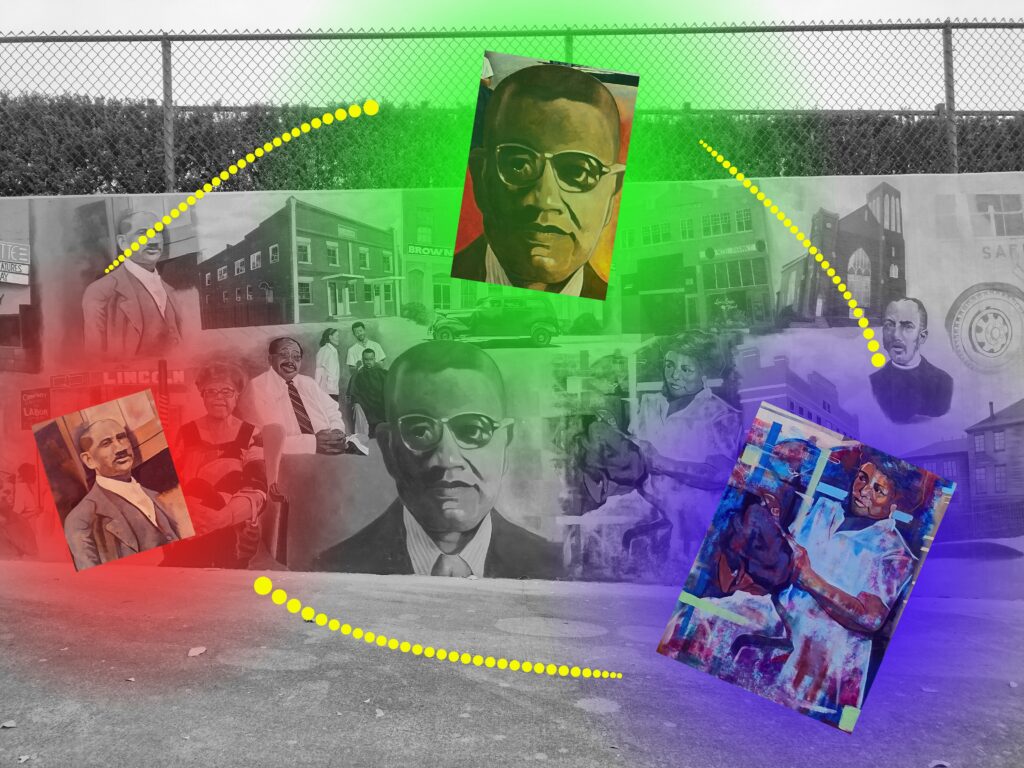
Cloudy days, low foot traffic hours, and Microsoft Paint make good directional photography bedfellows, let me tell you.
Historical Photos
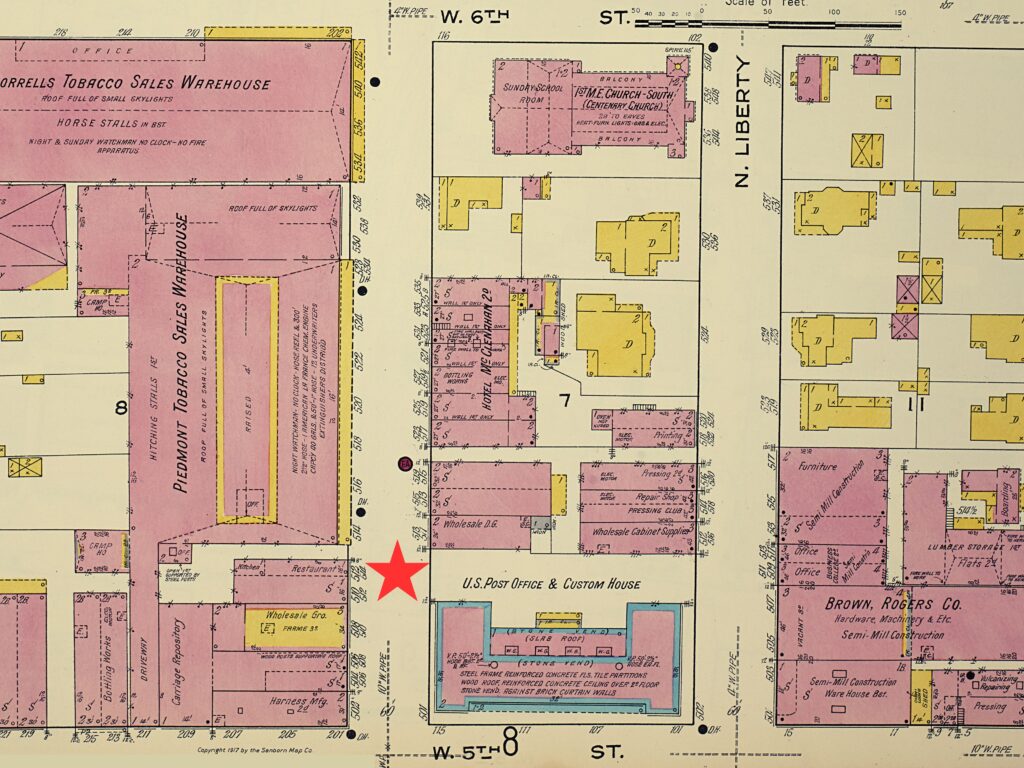
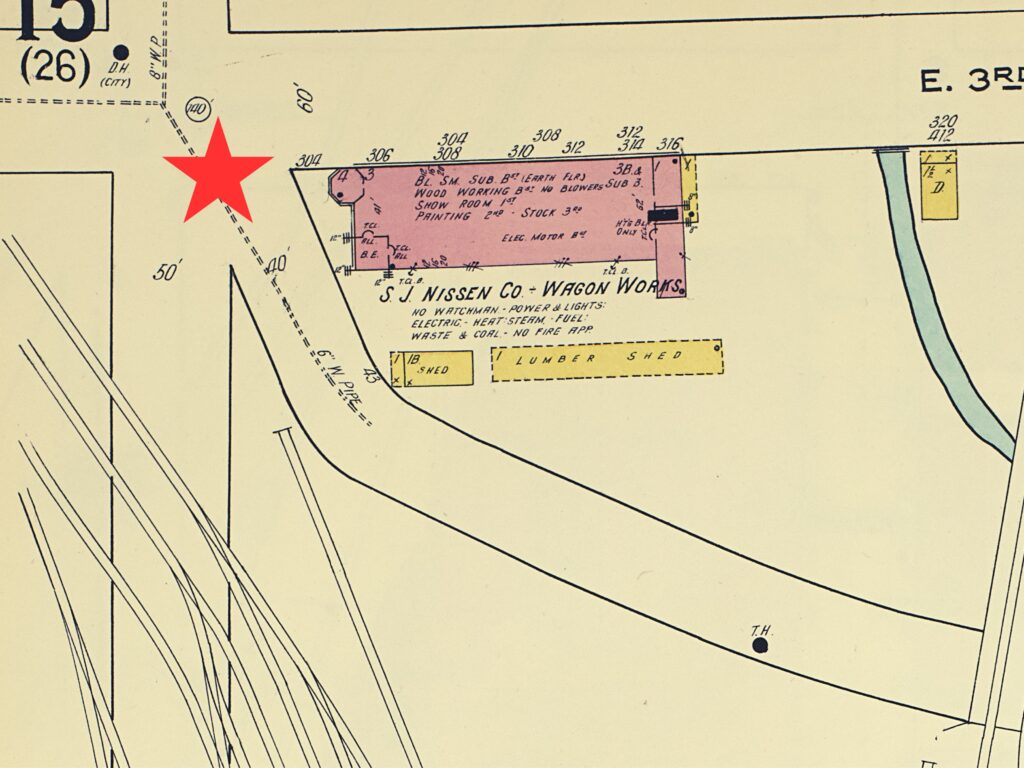
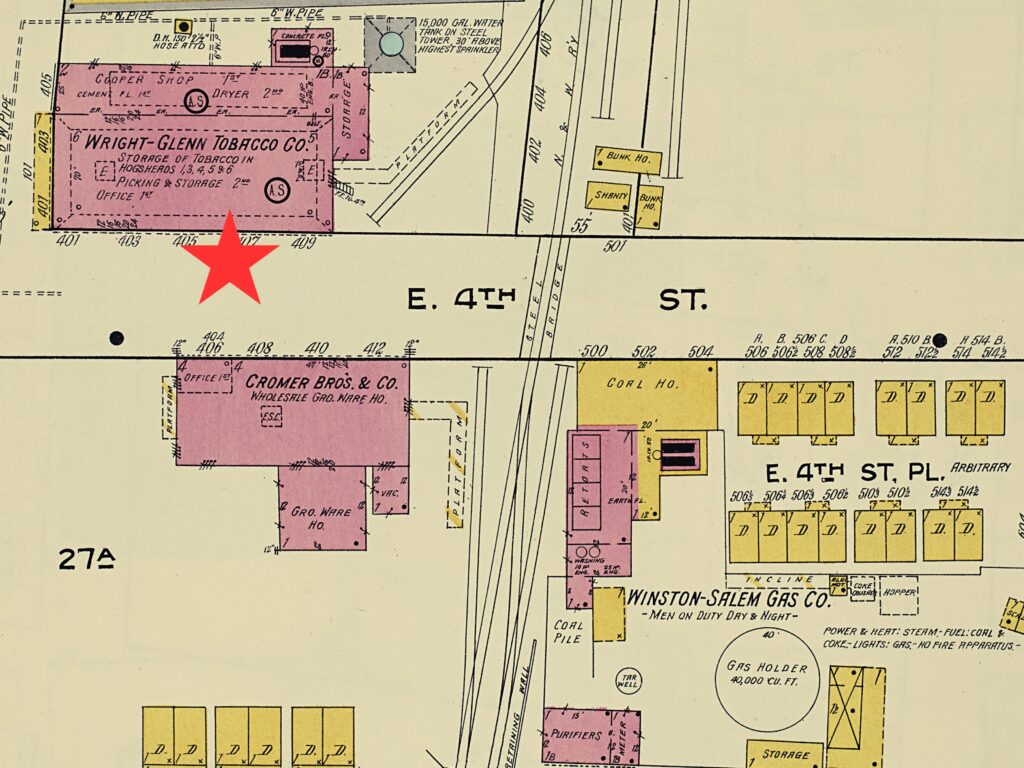
I used the year 1917 because that was also when the Sanborn Insurance Company published their fire safety maps (ah, the irony). The insight into street layout was a godsend, and I was able to design my route using only structures dating from that year.
The Sanborn collection is housed by the Library of Congress, so I was able to feature the maps in my game. The user can see how the streets would have looked in 1917.
In Conclusion...
What started as an experiment in UX design quickly morphed into yet another educational entertainment experience!
It took more time than I’d anticipated, but it was worth it. The single biggest compliment I get is ‘Wow! I never knew Winston had so much history!’ And I love it. For me, this is what being an interpretive writer is all about: bridging hearts and minds with information.
I’m already applying what I learned to my next game, As Yet Untitled, set 100 years before the tobacco industry sweeps through North Carolina.
Here’s to more gamified learning in the future!
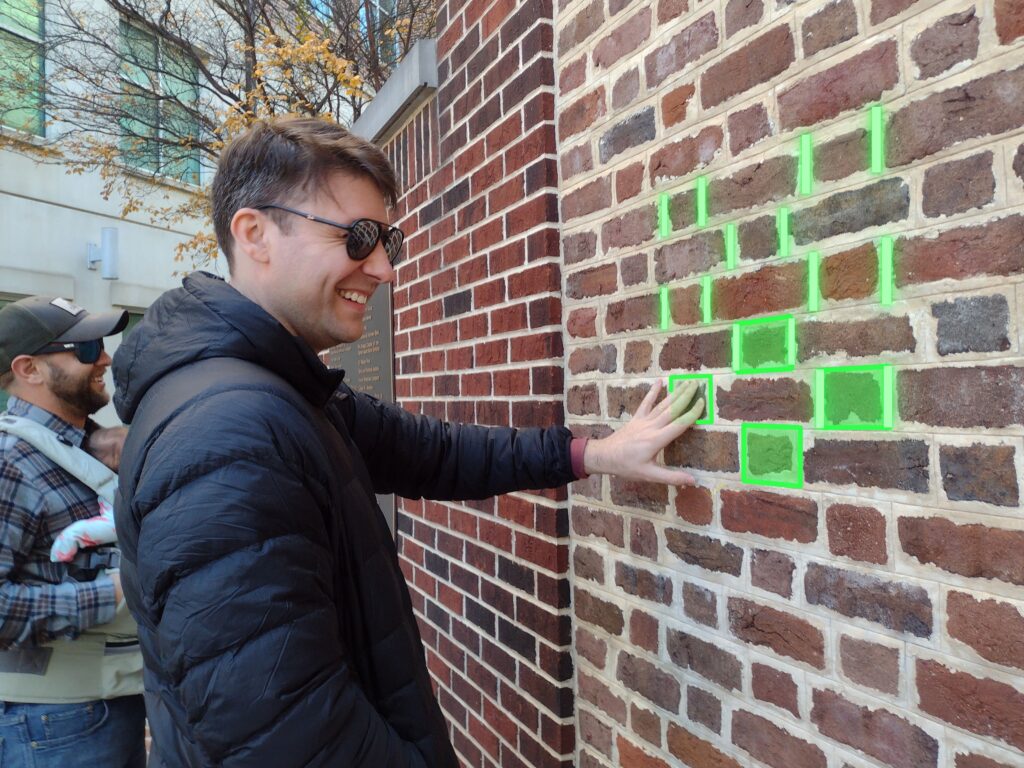
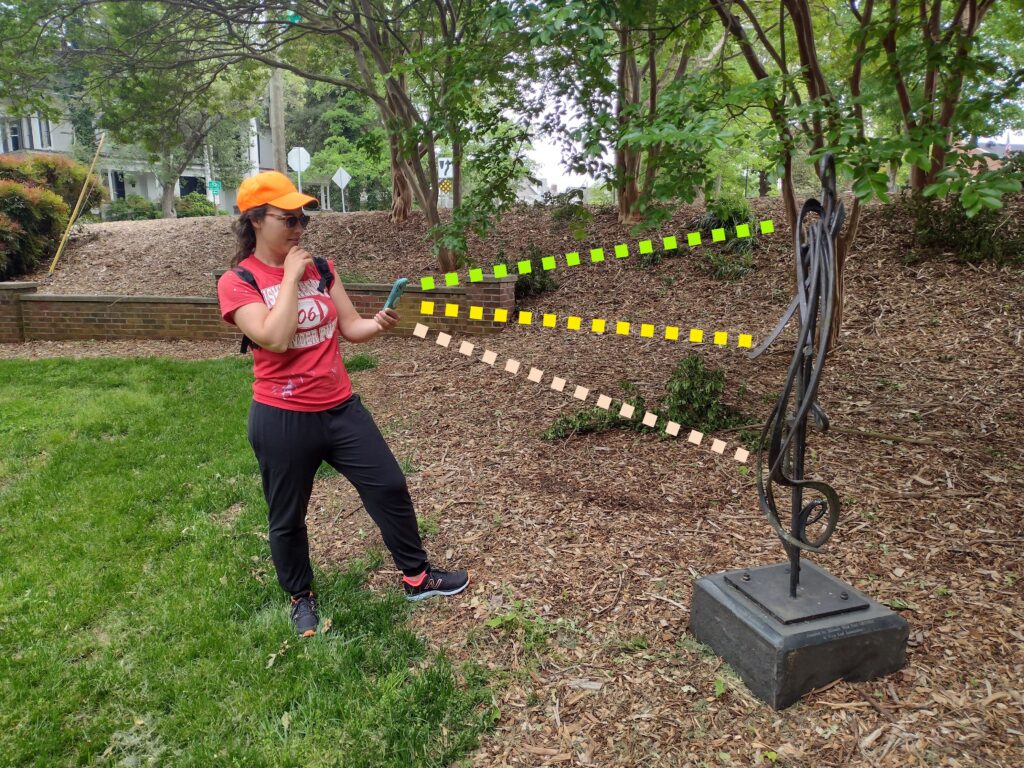
Me pretending I haven't spent the last 47 weeks obsessing over the answer to this riddle.